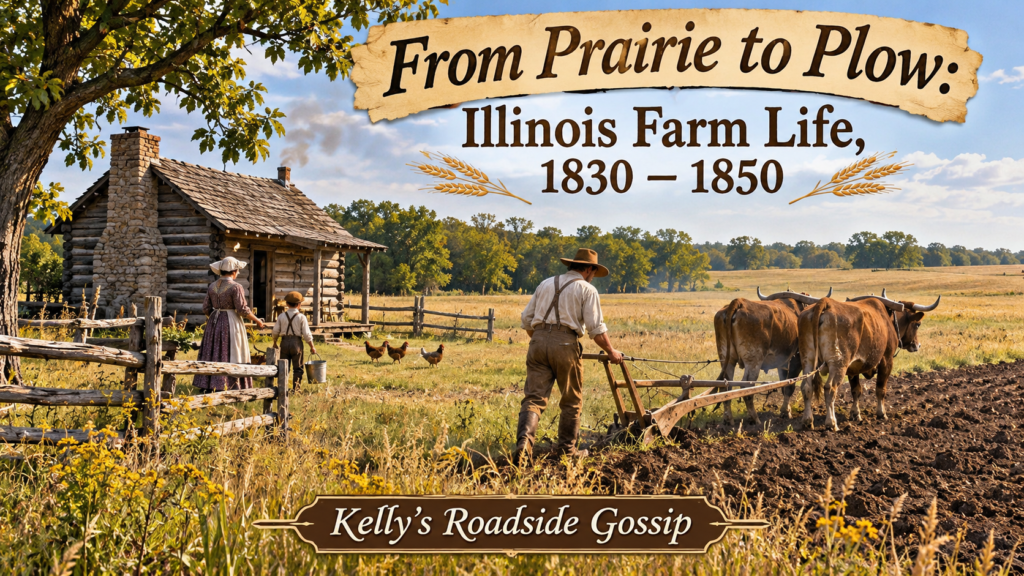
The land was rich, the work was hard, and building a farm often meant building a community.
Imagine standing on the Illinois prairie in the spring of 1840. There are no tractors rumbling across the fields, no combines waiting in the machine shed, and no pickup truck ready to haul supplies home from town. Instead, there is an endless stretch of prairie grass, a team of oxen, a heavy plow, and a farmer wondering how much land he can break before another season slips away.
The soil beneath his feet is among the richest in the country. But owning fertile land and turning it into a successful farm are two very different things. In the communities surrounding Princeville, Monica, Brimfield, and Williamsfield, early settlers faced challenges that went far beyond planting crops. They needed homes, fences, roads, mills, markets, and neighbors willing to lend a hand.
And that is where our story begins.
Breaking the Prairie
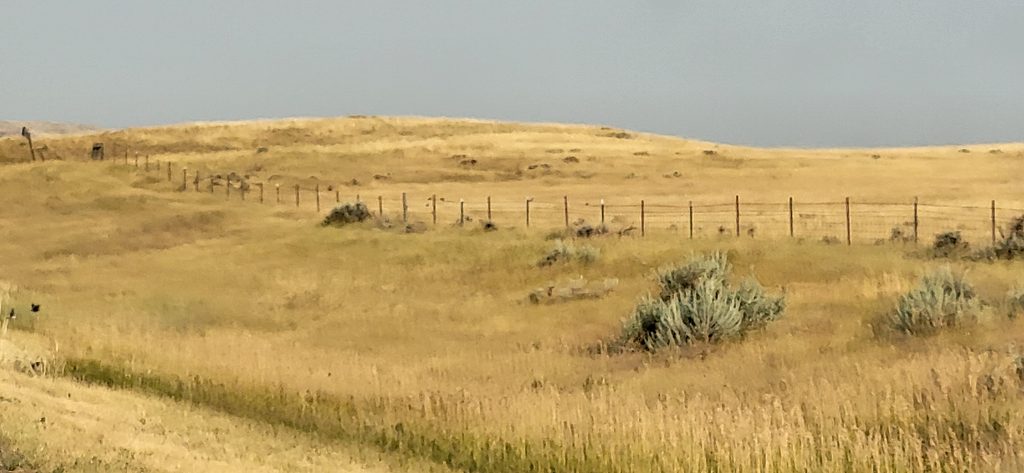
Before a farmer could plant a field, he first had to break through the thick prairie sod.
In Life in Prairie Land, an account describing Illinois farming in 1837, the author recalls teams of three or four yokes of oxen pulling heavy breaking plows across the prairie. The plow cut wide strips of turf, turned them over, and exposed the rich soil beneath. June was generally preferred for breaking prairie. The overturned vegetation could decay throughout the summer, leaving the ground easier to cultivate the following spring.
Some farmers planted what they called sod corn directly into the newly broken ground. Kernels were dropped along the furrows, and the crop was often left to grow without additional cultivation. The resulting corn was principally used as livestock fodder. According to the account, one man with a good team and plow could break approximately three acres in a day. That might sound impressive,but imagine preparing an entire farm three acres at a time!
And breaking the ground was only the beginning.
Building a Farm Without a Lumberyard
A farmer needed more than fields.
There had to be a house for the family, shelter for animals, fences to manage livestock, and buildings for storing crops and equipment. Settlers living near streams and wooded areas could use local timber to construct log cabins and rail fences. But farther out on the open prairie, timber was not always readily available.
That’s where local sawmills became essential. According to History and Reminiscences, early mills operated throughout the Princeville area. Myron Prince owned a sawmill along Spoon River near Slackwater. John Dukes operated a horse-powered sawmill in 1839, while other mills relied on waterpower.
These mills provided lumber for homes, farm buildings, and schools. The early Slackwater mill reportedly supplied lumber for a schoolhouse built in the 1840s, along with numerous other buildings throughout the countryside. But what happened when a community lost the very mill it depended upon?
In 1847, the answer was remarkable.
The Day the Neighbors Moved a Sawmill
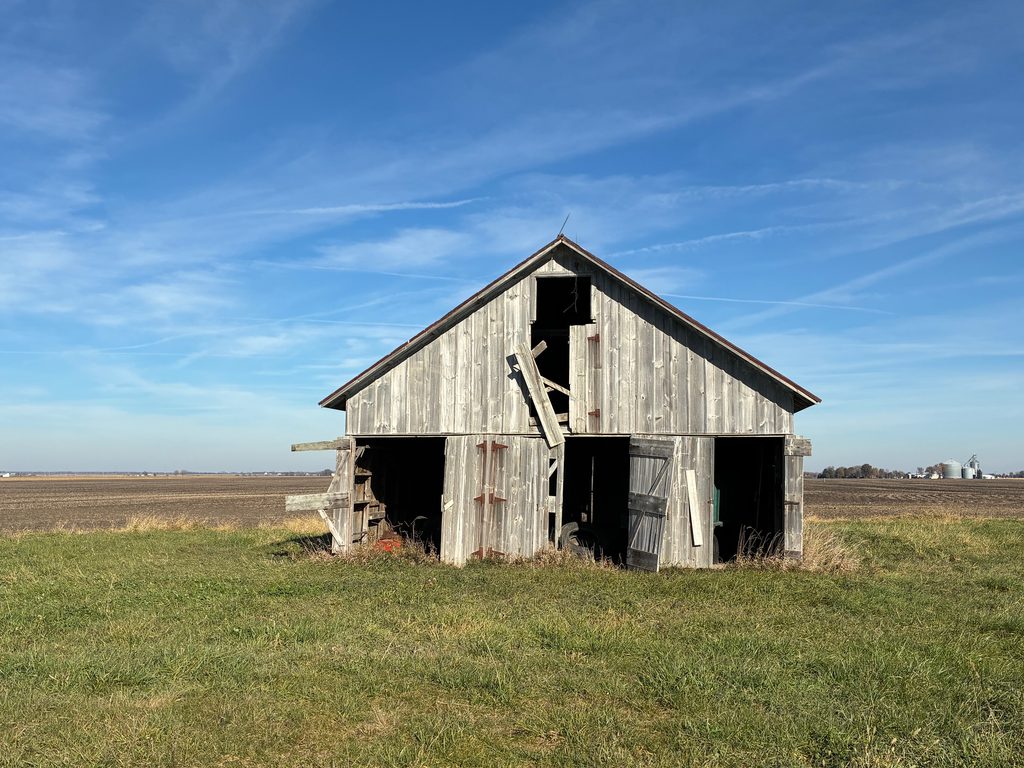
In 1847, Myron Prince’s sawmill near Slackwater burned. For the growing community, losing a source of lumber was a serious problem. Another mill, previously operated by Peet northeast of Princeville, was available. Prince purchased it. But moving a sawmill in the 1840s was no small undertaking.
According to the historical account, men from the surrounding countryside gathered and, in a single day, took down the mill, moved it, and set it up at Slackwater.
Think about that for a moment. There were no modern cranes, flatbed trucks, or hydraulic equipment waiting to make the job easier. There were men, horses or oxen, hand tools, and a shared determination to keep their community moving forward. The source doesn’t tell us every detail of how they accomplished the move.
But it tells us something important about the people who lived there. When something essential to the community was lost, neighbors came together to replace it. And the sawmill wasn’t the only thing they worked to protect.
Saving the Bridge at Slackwater
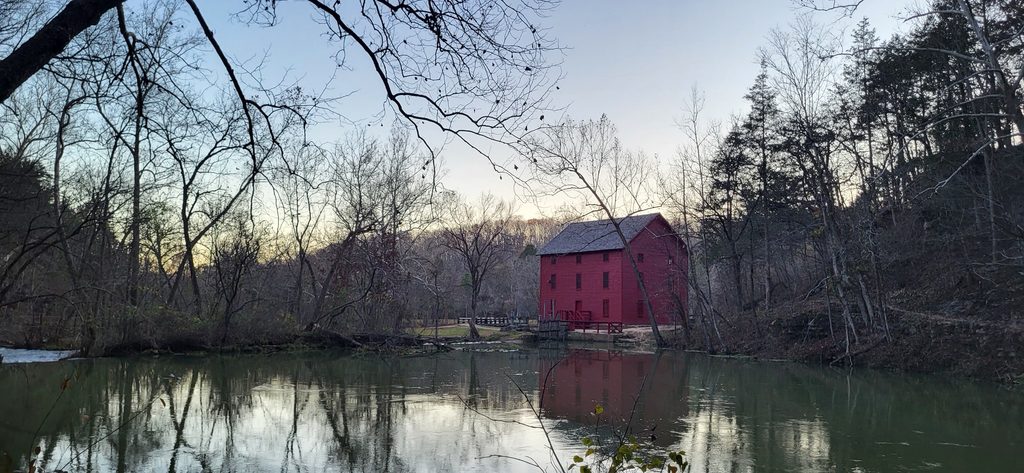
The early bridge near the Spoon River mill was another important connection for local settlers.
During floods, drifting timber threatened the structure. The same historical account describes people gathering from far and near to clear away debris using chains, oxen, and other available equipment. A damaged bridge could interrupt travel, trade, and access to mills and neighboring settlements. Protecting it was in everyone’s interest.
These two stories offer a glimpse of cooperation in early Peoria County. Neighbors weren’t simply living beside one another. They depended on one another.
What Did Farmland Cost in 1840?
Land was one of the most important investments a pioneer family could make.
In Sketches of Monica Before the Civil War, published in History and Reminiscences, local recollections place the price of prairie land around 1840 at approximately $200 to $300 per quarter-section, with particularly desirable land sometimes bringing $400.
A quarter-section contained 160 acres. But purchasing land was only the beginning of the expense. A farmer also needed livestock, seed, tools, fencing materials, and enough supplies to support the household until crops could be harvested or animals sold. And there was no guarantee that a successful harvest would bring a profitable return.
Growing Crops Was One Thing. Selling Them Was Another.
Corn, wheat, and oats were grown in the region, while cattle and hogs provided additional sources of income.
But getting those products to market was a challenge. The Monica history describes wheat being harvested with a cradle, threshed using horses or oxen, and cleaned by wind or a fanning mill. Some farmers hauled wheat all the way to Chicago using ox teams.
The return trip might bring salt, clothing, lumber, or other necessities that were difficult to obtain locally. Other farmers sold grain through river markets. The same local history preserves recollections of remarkably low prices in the pioneer and early settlement years.
Oats were remembered at around ten cents a bushel, corn at fifteen cents, and eggs at three cents a dozen during one recalled period. These figures represent historical recollections rather than established average prices for every year between 1830 and 1850.
Nevertheless, they illustrate an important problem. A farmer could work for months raising a crop, only to discover that transporting it to market cost considerable time and effort compared with the money it brought. The challenge wasn’t simply growing enough food. It was finding a buyer and obtaining the goods or money the family needed in return.
When Roads Were Little More Than Trails
Travel presented another obstacle.
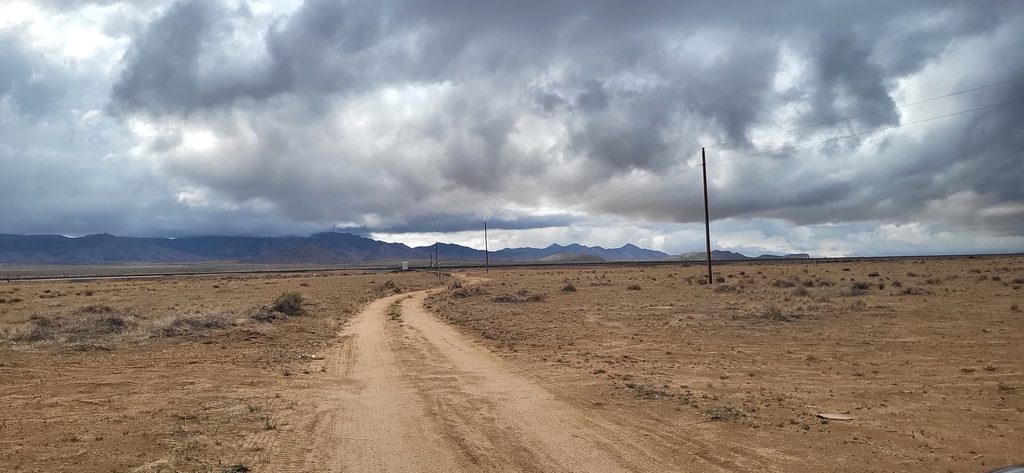
According to the Monica history, when Arch Smith arrived in 1844, public roads were scarce apart from the state road connecting Peoria toward Rock Island. People traveled across open prairie, creating paths wherever the ground permitted.
Some trails followed natural routes around wet areas and sloughs. As settlers began fencing their farms, travelers had to find new paths. The account even describes schoolchildren crossing sloughs and struggling through prairie grass that could grow ten feet tall. Imagine sending your children to school under those conditions!
By the 1850s, stage routes and railroads were beginning to change transportation throughout the area. But for the farmers who arrived during the 1830s and 1840s, reaching a market, mill, or neighboring settlement could still require a difficult journey.
The Families Behind the Farms
Old history books preserve more than dates and descriptions of agricultural practices.
They also preserve the names of families who helped establish the communities we recognize today. One example is the Streitmatter family. According to the family history recorded in History and Reminiscences, Michael Streitmatter and his family emigrated from Germany, with members of the family beginning to arrive in the Princeville area in the late 1840s.
His son Frederick worked on a farm in Akron Township before other members of the family followed. The family eventually established deep roots in the region. Another early settler, Vaughn Guest Williams, arrived in Peoria County in 1840. His family history records that he later acquired farmland in Akron Township.
These were individual families making difficult decisions, leaving familiar places behind, and building new lives on the Illinois prairie. Some of their surnames remain familiar in the Princeville area today.
Planting More Than Corn
Farming wasn’t limited to fields of grain.
Settlers planted orchards, established gardens, and raised livestock to provide for their households and local markets. An 1847 issue of The Prairie Farmer included an article titled “Orchards in North Middle Illinois.”
Among the growers mentioned was J. Williams of Princeville, Peoria County, who reportedly had approximately 200 grafted fruit trees. The article also mentioned Edson Harkness near Trivoli and horticultural activities in nearby communities. That discovery gives us another glimpse of how farming was developing.
While some settlers were still struggling to establish their fields and buildings, others were already planting orchards that required years of care and planning. They weren’t simply thinking about the next harvest. They were preparing for the future.
A Community Built One Farm at a Time
Between 1830 and 1850, the Illinois prairie began to change.
Fields replaced stretches of native grassland. Log cabins were joined by frame houses. Orchards grew beside farm homes, and mills supplied lumber for expanding settlements. Roads slowly connected the countryside, while river transportation and eventually railroads opened new opportunities for trade.
But behind those changes were people. Farmers who worked behind teams of oxen. Families who carried the responsibilities of home and farm. Neighbors who gathered to save a bridge from floodwaters. And men who came together to move an entire sawmill because their community needed it. Their lives weren’t easy, and success wasn’t guaranteed.
Yet their work helped establish the farming communities that would continue to grow throughout the nineteenth century. Today, tractors, combines, trucks, and modern technology have transformed the way Illinois farmers work. But beneath those machines lies the same rich prairie soil that attracted settlers nearly two centuries ago.
The machines changed, but the roots remained.
Last week, we explored the early history of Illinois farming and the people who began transforming the prairie. This week, we’re stepping into the everyday lives of those pioneer farmers to discover what it took to turn that rich land into a working farm.
Read last week’s story: From Prairie to Plow: How Families Transformed Illinois
Historical Sources
- Life in Prairie Land, Chapter XXII, pages 210–217. Contemporary descriptions of prairie breaking, sod corn, farming practices, fencing, and settlement in 1837.
- History and Reminiscences, “Sketches of Monica Before the Civil War,” pages 43–47. Local accounts of early roads, land prices, drainage, crops, markets, livestock, and community life.
- History and Reminiscences, early building materials and sawmill accounts. Recollections concerning Myron Prince’s Slackwater sawmill, the 1847 fire, the relocation of Peet’s mill, and community efforts to protect the bridge.
- History and Reminiscences, pages 101–104. Histories of the Streitmatter and Vaughn Williams families.
- The Prairie Farmer, December 1847, “Orchards in North Middle Illinois.” References to fruit growing in Princeville and nearby Peoria County communities.
Historical note: Some accounts were recorded decades after the events described. They are valuable local recollections, but individual dates, prices, and details should be understood in that context.